With recent store closures, are malls going the way of the dodo?
· Toronto Sun
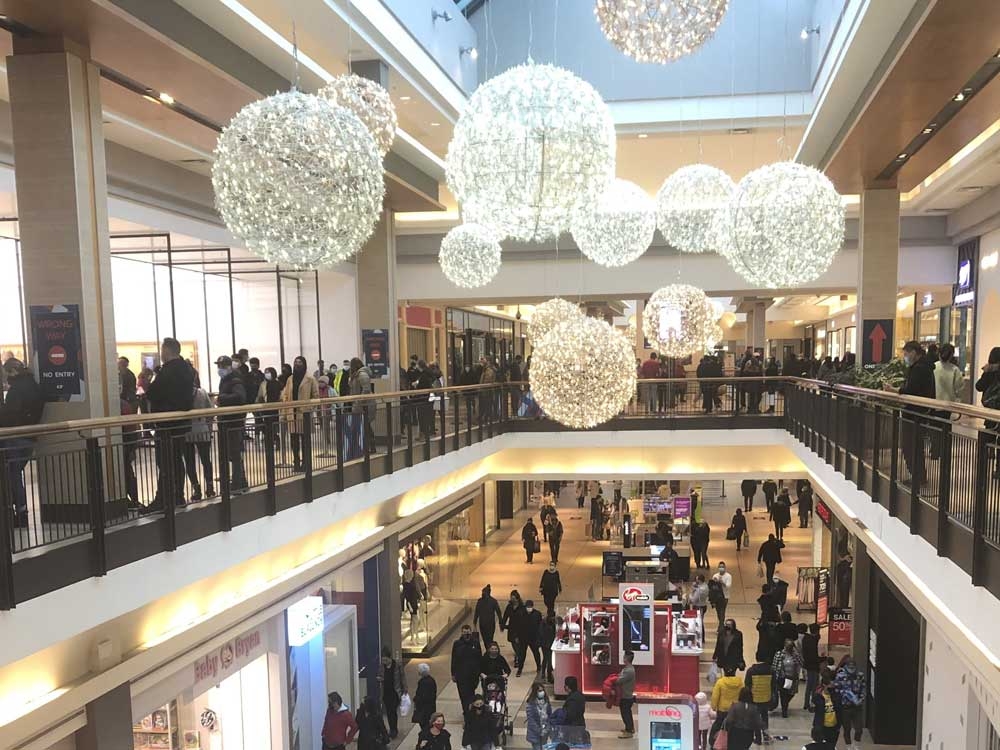
Walk through any suburban mall across the country, and you wouldn’t be surprised to see a boarded-up storefront abandoned by its previous tenant, which most likely was a once-popular chain retailer.
Visit milkshakeslot.online for more information.
Last year saw several major brands shuttering stores throughout Canada, with the final liquidation sales of the remaining Saks Fifth Avenue and Hudson’s Bay department stores among the most high-profile exits from the retail landscape.
This year, other businesses appear to be under threat of collapse, with Toys ‘R’ Us filing for creditor protection , and the retail operator of Eddie Bauer , Catalyst Brands, reportedly preparing to file for Chapter 11 bankruptcy.
While some may see the downfall of these legacy brands as the death knell for brick-and-mortar retailers, some industry observers say the closures are just part of a normal cycle, with the market weeding out weak players, as some nimble businesses find success adjusting to the turbulent economic environment.
In fact, several retail analysts think 2026 could mark a revival for in-person shopping.
“You have peak years and then they have a dip, up or down. And this year looks like it’s going to be a down in terms of (store) closings, maybe an up in terms of openings,” said John Mercer, head of global research at U.S. retail data firm Coresight Research, in an interview with Forbes.com .
‘Rumours of the death of the mall were overstated’
While the owners of malls across Canada saw major losses as department stores like HBC, Nordstrom and Saks Fifth Avenue shuttered, industry players believe it’s not all doom and gloom for the mall business.
The head of Primaris REIT, a company that owns and operates 27 shopping centres across Canada, said he believes there’s actually a shortage of storefronts, attributing it to “
a
10-year stretch when almost no new retail space was built.”
“I think the rumours of the death of the mall were overstated,” Alex Avery, CEO of Primaris REIT, told BNN Bloomberg .
“You had a very tough 10-year period with Target and Sears closures and the rise of e-commerce, then the pandemic. But once we got through all of that, it became clear that bricks-and-mortar retail is the anchor of a successful retail strategy. People want to shop where and how they choose — sometimes that’s on their phone, sometimes it’s online, and sometimes it’s in person. Retailers understand they need a physical presence.”
He added that Primaris REIT has seen “about 700 to 800 basis points of occupancy improvement over the last few years.”
RECOMMENDED VIDEO
‘Positive’ changes ahead
The departure of HBC and other anchor stores have left malls “in a period of transition” with the traditional department format no longer part of the picture, Michael Kehoe, broker of record at Fairfield Commercial Real Estate, told Retail Insider .
While HBC has left malls with huge vacant spaces, there are several top-tier malls in Canada that are thriving without any anchor store presence, he said.
“This is a positive thing. It helps shopping centres keep their offerings current and cater to evolving consumer demands.” Kehoe added.