What to know about Reza Pahlavi, a potential successor to lead Iran
· Axios
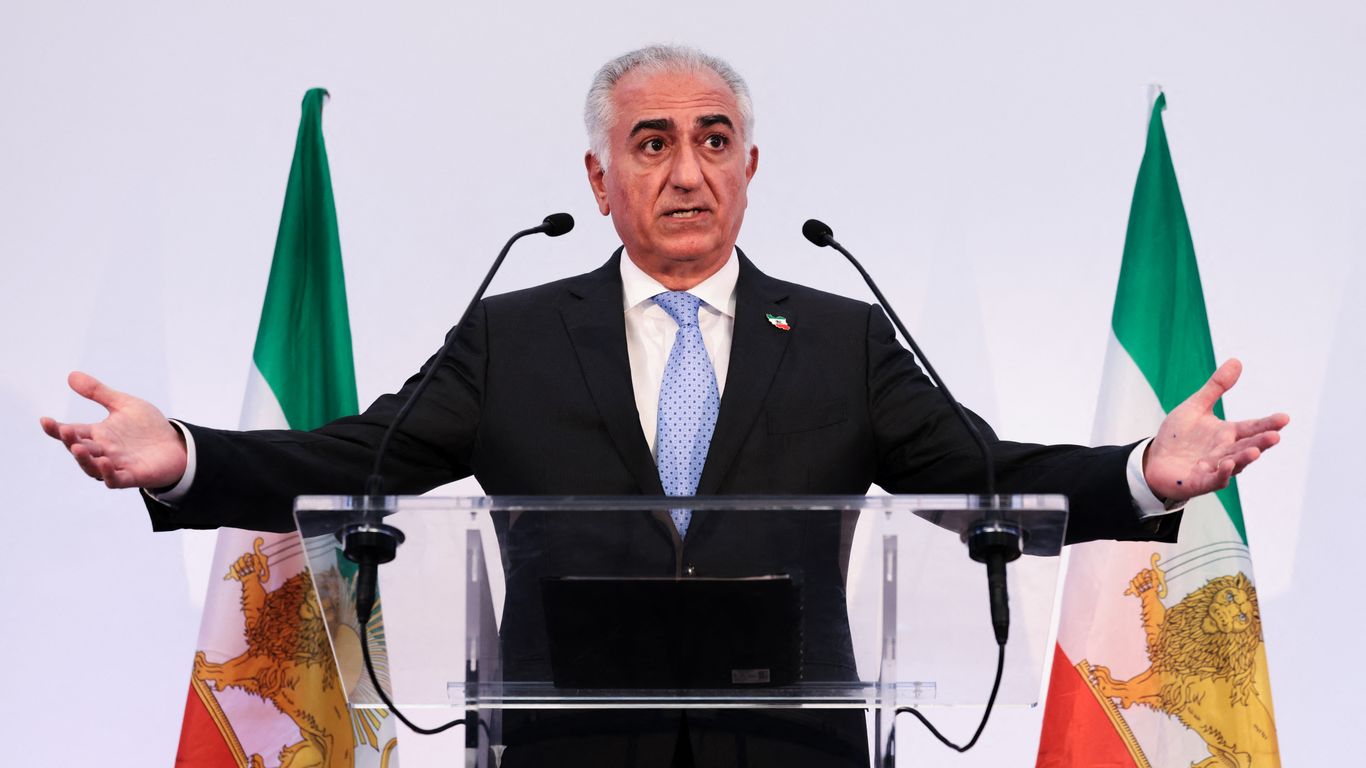
Reza Pahlavi, the exiled former crown prince of Iran, is positioning himself as the "transitional" leader if the Islamic Republic collapses.
Visit catcross.biz for more information.
The big picture: Pahlavi has voiced confidence in President Trump and previously met with administration officials to address unrest inside Iran — relationships that could bolster his standing after the U.S.-Israel strike on Iran on Saturday.
- "The assistance that the President of the United States had promised to the brave people of Iran has now arrived," Pahlavi posted in a video statement. "This is a humanitarian intervention, and its target is the Islamic Republic, its apparatus of repression, and its machinery of killing—not the country and great nation of Iran."
The latest: The U.S. and Israel began "major combat operations" in Iran overnight with the aim of destroying the country's military capabilities and fostering regime change
- Trump encouraged Iranians to stay in their homes during the bombing and "when we are finished, take over your government, it will be yours to take. This will be probably your only chance for generations."
The strikes came after diplomatic talks between Washington and Tehran about Iran's nuclear capabilities failed.
- Pahlavi called for Trump "to exercise the utmost possible caution to preserve the lives of civilians and my compatriots. The people of Iran are your natural allies and the allies of the free world, and they will not forget your assistance during the most difficult period of Iran's contemporary history."
Here's what to know about Iran's opposition leader.
From crown prince to exile
- Born in Tehran in 1960, Pahlavi was thrust into public life at age 7 when he was formally named crown prince during his father's coronation.
- By 17, he had become Iran's youngest pilot, though he left for the U.S. shortly after to train as a jet fighter — and never returned.
- The 1979 Islamic Revolution toppled the monarchy and overthrew his father while Pahlavi was abroad, barring him from ever returning home.
- He has lived in exile in the U.S. ever since, with his wife Yasmine Etemad-Amini and their three children.
Building an opposition platform
Pahlavi has built his platform around replacing the Islamic Republic with a secular, democratic system.
- He has also advocated for separating religion from the state and instituting free and fair elections.
- Despite some Iranians' concerns that Pahlavi wants to return to the authoritarian rule of his father, he said he will not seek an automatic restoration of the constitutional monarchy.
- "Whatever the majority of the Iranian people decide, their representative in a constitutional assembly will be tasked with the responsibility to draft a Constitution of this next system," Pahlavi said during a January press briefing.
Yes, but: Iranians remain sharply divided on Pahlavi, raising questions about how much legitimacy he would command inside the country.
- In public opinion polls run over the last few years, including as recently as November 2025, around one-third of Iranians supported Pahlavi while another one-third strongly opposed him, according to Dutch pollster Ammar Maleki. Pahlavi's popularity exceeds that of any other Iranian opposition figure.
Preparing for regime collapse
- The most recent round of protests in Iran, which began in late December, was spurred by the collapse of the country's national currency and international sanctions leading to economic instability.
- Some 7,000 to 30,000 Iranians protesting have been killed, though exact estimates remain unclear.
- Though, Trump in January repeatedly threatened to intervene if Iran killed protesters, he delayed his decision as aides and allies like Israel expressed doubts that U.S. airstrikes would actually challenge the stability of the regime.
- Pahlavi previously asked the U.S. for strikes on the "architecture of repression" — including targets related to command-and-control of the Revolutionary Guards.
What they're saying: He told Fox News on Wednesday that he believes the regime is at a critical turning point, acknowledging that economic sanctions and geopolitical struggles have put the government on its "last leg."
- Though Pahlavi has been advocating for nonviolent change for more than 40 years, he's recently changed his tune, calling for Iranian's to take a more aggressive stance to fight back against the regime.
- Pahlavi in January encouraged protesters to continue taking to the streets and "claim public spaces" as their own.
What we're watching: Pahlavi on Friday released an updated version of the Emergency Phase Booklet of his Iran Prosperity Project, which he calls a component of his strategy to reclaim and rebuild the nation.
- The booklet focuses on Iran's immediate needs in the first six months of the regime collapse — an even greater signal that Pahlavi is prepared to step in if the situation arises.
Go deeper: Iran's exiled crown prince implores Trump to strike regime