World Obesity Day: Hidden habits driving South Africa’s weight crisis according to expects
· Citizen
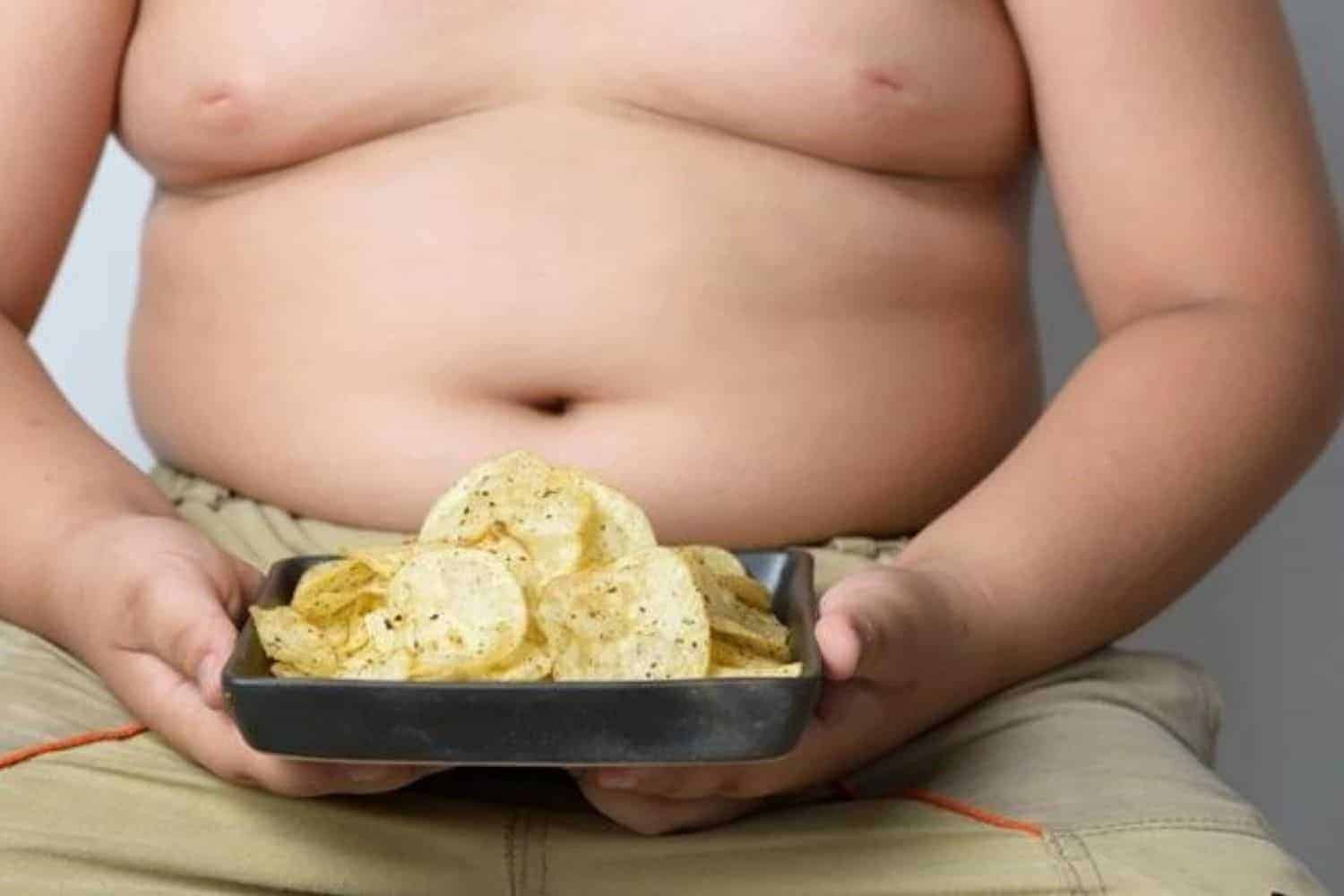
This year, World Obesity Day, observed on 4 March, is commemorated under the theme, “8 billion reasons to act on obesity”.
Visit fish-roadgame.com for more information.
Convened by the World Obesity Federation, the theme highlights how daily habits, food choices, and inactivity contribute to obesity.
The campaign focuses on vulnerable communities, particularly children, and aims to raise awareness and encourage action.
According to the World Obesity Federation, one billion people are living with obesity globally. By 2035, this could increase to four billion, or half of the world’s population.
In South Africa, the South African Metabolic Medicine and Surgery Society (SAMMSS) highlighted that nearly one in three adults is living with obesity, more than 10 million people.
ALSO READ: Gauteng’s youth face rising high blood pressure as obesity soars
Systemic challenges
A report published this year by the University of Cape Town, which forms part of the four-year FoodSAMSA project, found that in many neighbourhoods, the easiest food options are the least nutritious. The project addresses both undernutrition and overnutrition in South Africa.
Dr Jessica Hamuy Blanco, Product and Clinical Risk Executive at Dis-Chem, says modern lifestyles also limit movement.
“We have engineered physical activity out of our daily lives. Sitting has become the default, but our bodies were never designed for that level of stillness. Movement is not optional self-care; it is a biological requirement,” she says.
Lizeth Kruger, Dis-Chem Clinic Executive, says obesity is not simply about personal discipline.
“We have to recognise that many South Africans are navigating a system that makes unhealthy choices convenient and affordable, while healthier options often cost more or require more time,” she explains.
Five habits that quietly drive weight gain
Kruger identifies five daily habits that can contribute to weight gain and offers steps to address each one:
- Quick food, empty calories
Many convenience foods, such as instant meals, sugary cereals, processed meats, and fizzy drinks, are ultra-processed. They are high in hidden sugars, unhealthy fats, and salt, but low in nutrients.
“Patients often struggle with weight while also suffering from nutrient deficiencies,” Kruger says. Iron deficiency is common and may appear as fatigue, poor concentration, or reduced immunity.
She recommends checking labels and prioritising whole foods such as vegetables, beans, oats, lentils, and lean proteins.
- The silent triple threat to your heart
Obesity often occurs with high blood pressure and raised cholesterol, which increases cardiovascular risk.
High blood pressure can be symptomless, with many people only discovering it after serious events such as strokes or heart attacks. Regular screenings are essential.
- The double burden of malnutrition
South Africa faces a “double burden,” where undernutrition in children coexists with overweight or obesity in adults within the same household.
Energy-dense, low-cost foods fill stomachs but may lack nutrients. Kruger advises filling half of the plate with non-starchy vegetables, including leafy greens, carrots, cauliflower, and tomatoes.
- Brain health and obesity
Excess weight can affect cognitive function. Chronic inflammation and disrupted blood sugar may impair memory, focus, and decision-making.
“Physical activity has a dose-response effect,” Dr Jessica says. “Even short bouts of movement can trigger meaningful improvements.”
Thirty minutes of brisk walking most days can support mental clarity and long-term brain health.
- Don’t wait to start
Many delay lifestyle changes, waiting for work, finances, or stress to improve. Trends suggest that if current patterns continue, half of South African women could be living with obesity by 2030.
Dr Jessica encourages sustainable change over extreme diets:
“Instead of chasing a target you don’t fully understand, like cholesterol levels, think about what better nutrition and mindful movement will give you in real life – more energy, better sleep, clearer thinking. When the benefits feel tangible, change becomes sustainable,” she says.
NOW READ: Are your sanitary pads really toxic? What doctors want you to know