MANDEL: Killer of Toronto restaurant owner denied early parole hearing
· Toronto Sun
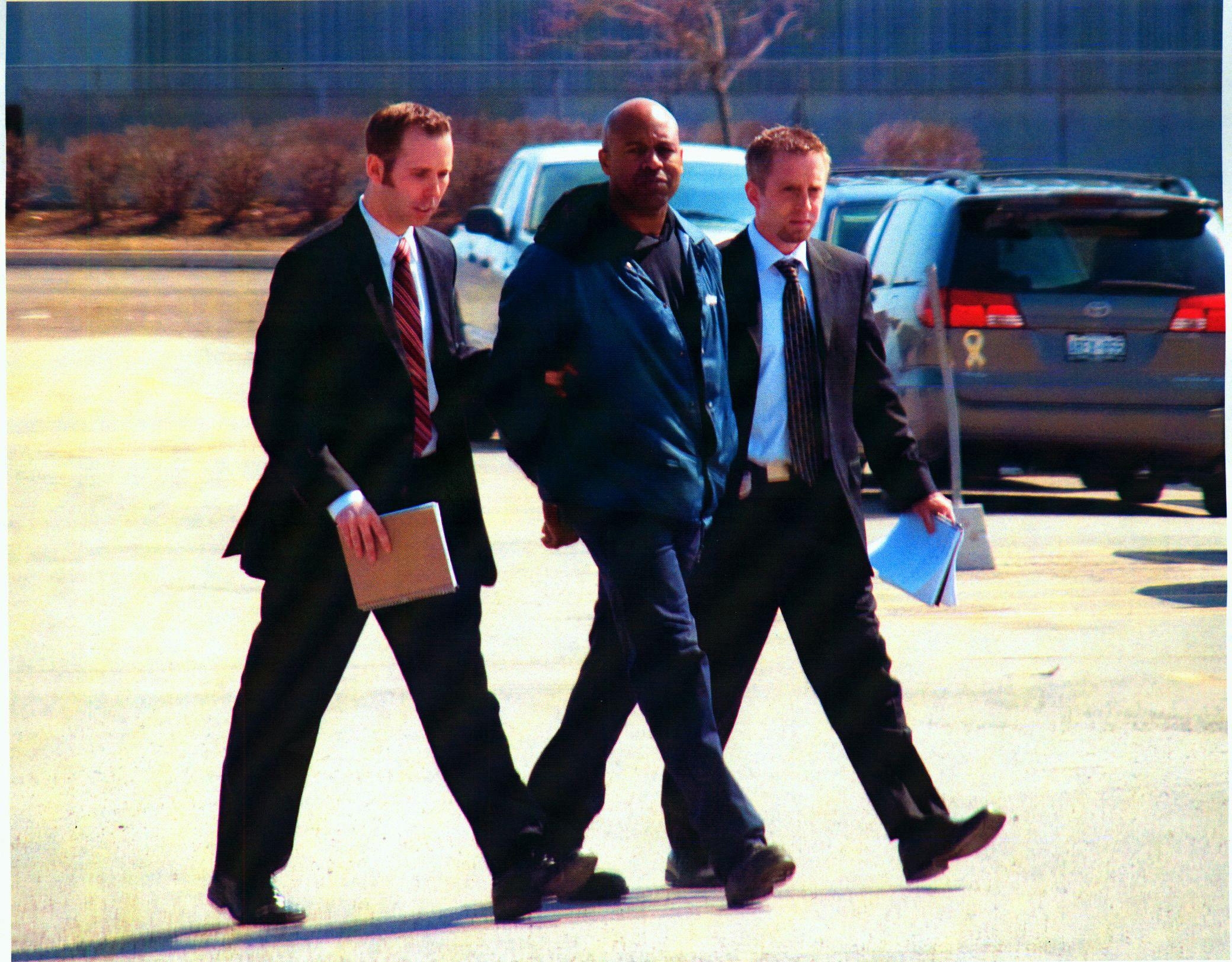
In 2009, popular Toronto restauranteur George Koutroubis went missing just as he was supposed to be jetting off with his bride to begin their honeymoon in the Caribbean.
After a frantic, five-day search by his many friends and relatives, his body was found stuffed in the trunk of his BMW SUV parked in Brampton, 80 km from his Toronto home.
Visit milkshakeslot.lat for more information.
The 36-year-old co-owner of Six Steps Restaurant on Colbourne St. had been lured to Whitby to collect on a gambling debt by St. Lawrence Market janitor/drug dealer Andrew Campbell – only to be shot four times at close-range by the man who owed him $27,000.
Campbell, 43, then went to pick up his kids at daycare, returned home and drove the BMW and its horrific cargo to Brampton. He then took public transportation back to Whitby and asked his 17-year-old son to pick him up from a bus stop, telling him he’d run into trouble with a bookie who was now missing and if the police asked, he’d been home with him all night.
Killer’s alibi fell apart
That alibi soon fell apart and two years later, following just four hours of deliberation, a Brampton jury convicted Campbell of first-degree murder. He was sentenced to an automatic life in prison with no chance of parole for 25 years but under the law at the time, he would be able to apply for earlier parole at a “faint hope” hearing after serving 15 years.
How quickly that time has come. But to get his hearing, a “screening” judge had to first find Campbell had a “reasonable prospect” of successfully convincing a jury he was a changed man and should be paroled early.
In a recent judgment, Superior Court Justice Jennifer Woollcombe found that while he’s made progress, no jury would believe Campbell, now 60, is genuinely remorseful and takes responsibility for the slaying.
Up until 2024, he was still maintaining, as he had at his trial, that the killing was self-defence, that he was the one owed money – $170,000 for cocaine – and Koutroubis had arrived at his home with a friend who pulled a gun and while wrestling for it, the gun went off.
Finally admitted to murder
How coincidental that just as he was applying for his faint hope hearing in 2025, Campbell suddenly admitted for the first time that he murdered Koutroubis.
But even now he’s not taking complete responsibility: He blames his childhood in Jamaica for his misguided assumption that he had to kill or be killed.
“My experiences in Jamaica during my upbringing had led me to believe that when someone’s life is in danger, they need to act swiftly, by any means, to avoid being killed,” he wrote.
Woollcombe was not convinced by his “late-breaking remorse and acceptance of responsibility” and believed jurors wouldn’t be fooled either.
“(It) would inevitably be seen by any jury as a transparent and feigned attempt to appear to have accepted responsibility for this murder, when he has not genuinely done so,” she wrote.
She also rejected his justification – Campbell was nine when he left Jamaica for Canada, so blaming the murder on his upbringing “is an illogical and incredible attempt to deflect his own responsibility for what he did. I have little doubt that any jury would see it as just that.”
Devastation reverberates to this day for victim’s family
In victim impact statements, Koutroubis’s family spoke of the devastation Campbell has caused that reverberates to this day.
His widow told the court the couple had only been married two months and their lives were full of hope, love and excitement for the future.
“While she has re-married, had children, and tried to move on, the impact of the murder affects her every day,” the judge wrote, summarizing her letter to the court. “Indeed, she says that not a day goes by when she does not think of Mr. Koutroubis. She feels that there is no justice that can ever replace her husband’s lost life.”
Woollcombe said Campbell was unlikely to convince jurors to grant him earlier parole.
“The horrific circumstances of this killing, and the applicant’s conduct after it, speak extremely poorly about his character. The terrible impact it has had on the deceased’s family is also very concerning. These factors are very likely to lead a jury to have grave doubts about exercising mercy towards the applicant, absent compelling changes that demonstrate a significant change in his character.”
And those compelling changes, she concluded, are just not there.