Gudi Padwa 2026: How Gen Z Is Keeping Maharashtrian Traditions Alive
· Free Press Journal
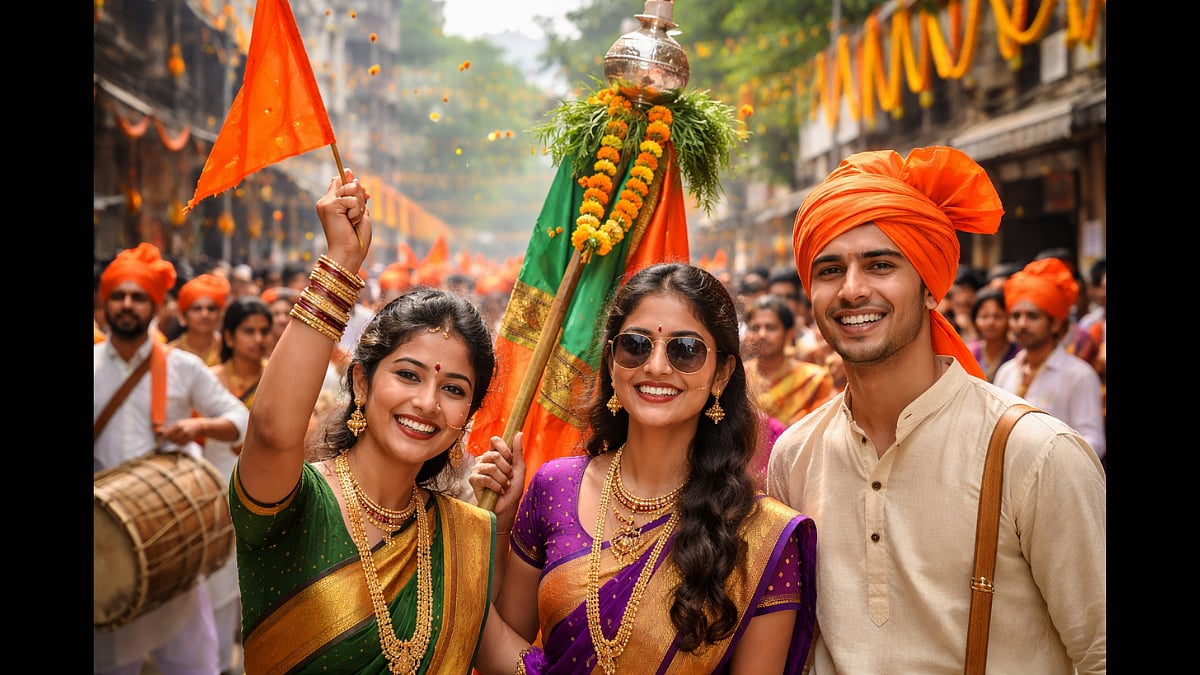
As the month of Chaitra begins in the Hindu calendar, many homes across Maharashtra wake up to a familiar sight. At the entrance of balconies and doorways stands the Gudi, a bright silk cloth tied to a bamboo stick, topped with a silver or copper vessel and decorated with neem leaves and flowers. For generations, this symbol has marked Gudi Padwa, the Maharashtrian New Year and a day believed to bring prosperity and fresh beginnings.
But if you walk through Mumbai or Pune, the festival looks both familiar and slightly different. The rituals are the same, yet the way young people celebrate them has quietly evolved. From eco-friendly decorations to Instagram greetings and community processions, Gudi Padwa today reflects a generation that is both rooted and restless.
Visit milkshakeslot.lat for more information.
For many young Maharashtrians, the festival remains deeply personal. It is less about grand celebrations and more about reconnecting with identity.
“Regardless of being part of the younger generation, festivals like Gudi Padwa hold a special place in my life. They remind me of the thoughtfulness hidden in my culture, amidst our westernised lifestyle. It helps me embrace my ethnicity and fills me with pride,” says Pranita Kharote, a 21-year-old student.
Tradition with a modern twist
Not too long ago, Gudi Padwa was mostly a quiet affair inside homes. People woke up early, cleaned their houses, prepared festive food, and raised the Gudi outside their doors or windows before offering prayers for the year ahead. The heart of the festival still looks the same today, but the way it is celebrated around those rituals has grown bigger and more visible.
In cities especially, Gudi Padwa has slowly moved beyond the home and onto the streets. Community processions, traditional attire and cultural performances now add a festive energy that was rarely seen a generation ago. “Unlike old times, people have actively started being part of processions nowadays. You see people celebrating Gudi Padwa while wearing nauvari sarees to the rhythm of dhol-tasha,” Pranita says.
One of the most popular examples is the Shobha Yatra in Girgaon, Mumbai, where thousands gather in traditional outfits, waving saffron flags and celebrating Maharashtrian culture together. The atmosphere feels less like a ritual and more like an expression of pride.
Another Gen Z voice, Tanya Maharana, a 24-year-old graphic designer, feels that this festival carries a vibrant community energy. She remembers the simple prasad made from neem leaves and jaggery, something almost every Maharashtrian household prepares on this day. “It teaches us an important lesson of life. Just like this prasad, life is a mix of sweet and bitter moments. We should accept both with positivity,” she says.
That balance between celebration and reflection is perhaps what makes the festival continue to resonate with younger generations. But while the cultural pride remains strong, many are also thinking about how to celebrate more responsibly.
Greener celebration
Alongside louder celebrations and colourful processions, another subtle shift is taking place. Many young individuals are beginning to rethink how festivals can be celebrated in a way that is kinder to the environment.
Instead of plastic decorations and synthetic materials, people are slowly returning to simpler, natural choices. Siddhi Solkar, a 24-year-old PR professional, says this shift feels natural for her generation. She says, “Even with a fast-paced lifestyle, celebrating traditions with family makes the festival truly meaningful. But we try to make our celebrations more sustainable by supporting local vendors and choosing natural decorations like flowers and leaves instead of artificial ones.”
These small changes may seem minor, but they reflect a broader mindset among young people who want to celebrate their culture without harming the environment. Individuals like Bhavit Khardikar, 25, a head manager at Axis Max Life Insurance Company, explain that his family has made small but meaningful changes.
He shares, “We try to celebrate more sustainably by using reusable decorations instead of plastic and preparing homemade food. We also stay connected with relatives through calls if we cannot meet in person.”
Digital wishes
Technology has also changed the way festivals are shared. Where earlier families exchanged greeting cards or visited each other’s homes, today digital messages travel faster than ever.
WhatsApp groups fill with festive wishes, Instagram stories showcase beautifully decorated Gudis, and reels capture moments from community processions. But for many young people, social media does not replace tradition. Instead, it becomes a way of celebrating it more widely. A Gudi on a balcony might now appear in hundreds of Instagram feeds, quietly telling the story of a culture that continues to adapt without losing itself.
Gudi Padwa 2026: Correct Date, Puja Muhurat & Guide To Celebrations Across State Of MaharashtraEvolving with time Festivals often survive not because they remain unchanged, but because they evolve with the people who celebrate them. Gudi Padwa is a perfect example of this balance.
The rituals remain familiar. The prayers are the same. Families still gather around plates of puran poli and neem-jaggery prasad.
Yet around those traditions, a new layer has formed. Young people are celebrating in their own way. They are making the festival greener, more community-driven, and sometimes more visible online. And maybe that is exactly why Gudi Padwa still matters in 2026.
Because while the bamboo stick, silk cloth and kalash continue to rise outside homes every Chaitra morning, the meaning behind them quietly grows with every new generation that chooses to keep the tradition alive.